A Key Contributor Behind the High-Difficulty Restoration Scaffolding Work That Helped Revive a National Historic Monument in Taiwan
Following the completion of its restoration, Tunghai University’s Luce Chapel held a reopening ceremony, marking the renewed opening of this Taiwanese national historic monument after years of preservation and repair. Mr. Shih Lung-Ching, Chairman of SUCOOT CO., LTD., was invited to attend the ceremony and deliver remarks, witnessing this important moment in the revival of one of Taiwan’s most iconic landmarks of modern architecture.
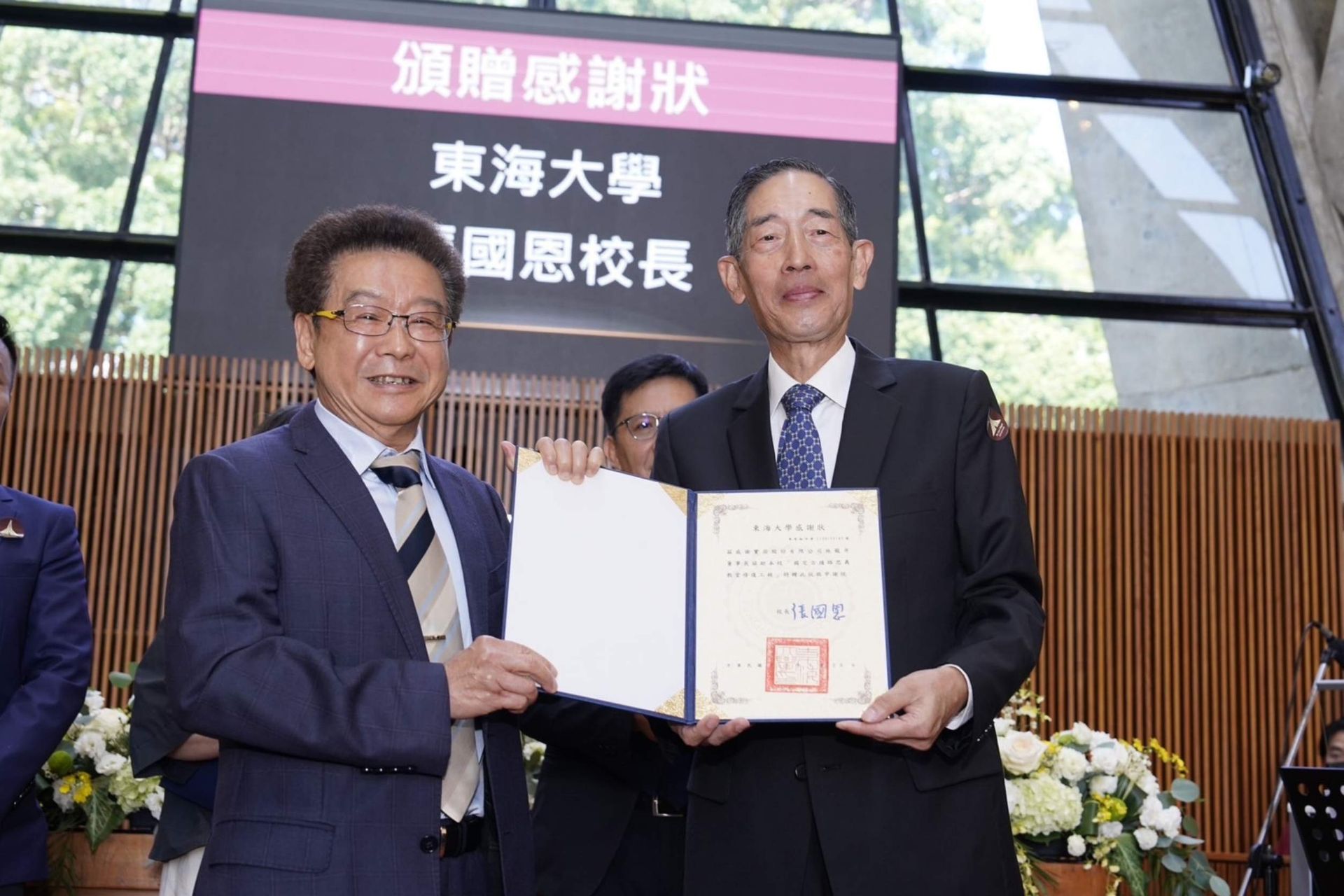
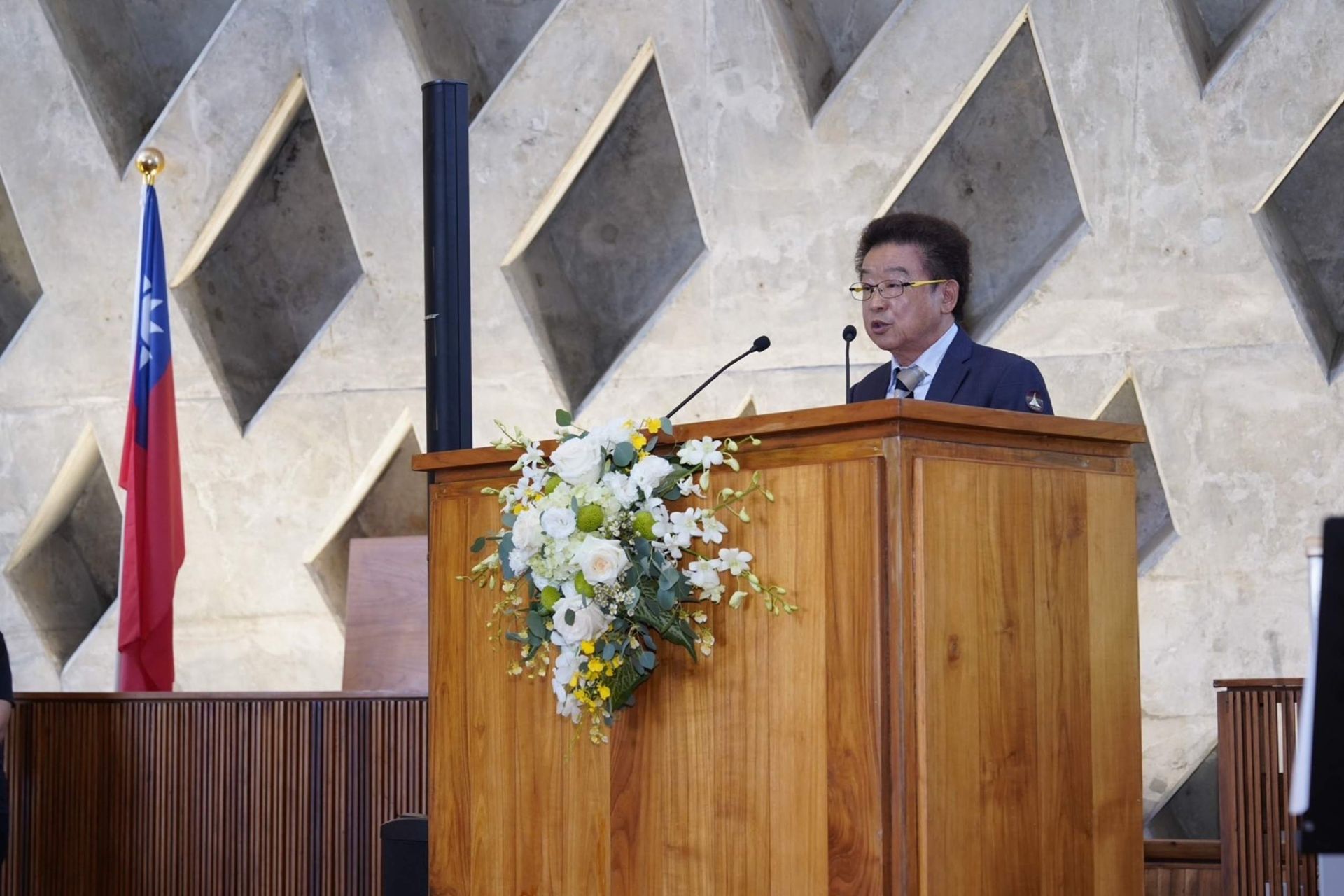
For SUCOOT, participating in the restoration of Luce Chapel was not only a highly challenging engineering task, but also a meaningful responsibility in support of Taiwan’s cultural heritage preservation. Being invited to the reopening ceremony also reflects the strong recognition of SUCOOT’s professional capabilities in complex scaffolding engineering, structural design integration, and heritage restoration support.
The Restoration of Luce Chapel Was More Than a Construction Project — It Was a Mission to Preserve Cultural Heritage
Luce Chapel is not only the most symbolic landmark on the Tunghai University campus, but also one of the most recognizable and historically significant works in Taiwan’s architectural history. The completion of this restoration project represents more than the renewal of a building’s exterior. It signifies the continuation of history, culture, and architectural spirit.
For historic monuments, restoration is never simply about renovation. It requires a careful balance between preserving the original structure, ensuring safety, and meeting practical construction needs. That is why every stage of the work was crucial — and among the most fundamental and indispensable was the planning and erection of the scaffolding system.
The High-Difficulty Scaffolding Work Was the Foundation That Made the Restoration Possible
Luce Chapel features a distinctive shape and a highly complex curved structure, unlike conventional buildings. One of the greatest challenges of the restoration was how to establish a safe and stable working platform without compromising the historic structure itself.
Without a complete scaffolding system in place, the later stages of inspection, repair, surface treatment, and high-level restoration work could not have proceeded smoothly. In other words, scaffolding was not a supporting detail — it was the very starting point and foundation of the entire restoration process. Leveraging the advantages of its products and its proven engineering design capabilities, SUCOOT successfully overcame the site constraints and structural challenges, laying the critical groundwork for the restoration to move forward.
With Product Strength and Design Expertise, SUCOOT Solved the Project’s Key Engineering Challenges
Facing the chapel’s highly recognizable architectural form and the strict requirements for safety, stability, and protection in a historic restoration project, SUCOOT provided a complete scaffolding material and design solution. Through the precision of its system products and the solid expertise of its engineering team, SUCOOT successfully established a construction support system that met the project’s highly demanding site conditions and enabled the restoration work to proceed smoothly.
This was not merely a supply of scaffolding materials. It was a total solution integrating engineering judgment, structural planning, and construction feasibility. Successfully delivering such a demanding heritage restoration project once again demonstrated SUCOOT’s technical strength and reliability in special-application engineering.
*For more project details, please visit SUCOOT’s project page: Taichung Tunghai University – The Luce Chapel Restoration Project.
Donating Seven Months of Scaffolding Costs to Support the Restoration in a Concrete Way
In addition to providing the professional scaffolding products and design expertise required for this high-difficulty project, SUCOOT also donated seven months of scaffolding costs, effectively eliminating seven months of scaffolding rental expenses for the project.
This contribution was significant not only in reducing the financial burden of the restoration, but also in allowing the restoration team to focus more fully on the quality and scheduling of the preservation work itself. In heritage restoration, every resource matters. By making this tangible contribution, SUCOOT demonstrated its commitment to preserving Taiwan’s historic architecture through real action.
Chairman Shih Lung-Ching Delivered Remarks at the Ceremony and Witnessed an Important Milestone in the Restoration
At the reopening ceremony of Luce Chapel, SUCOOT Chairman Shih Lung-Ching was invited to attend and speak. This was not only a recognition of SUCOOT’s role in the project, but also an opportunity for the public to see that behind every successful heritage restoration are not only architects, restoration specialists, and the institution itself, but also the reliable and executable scaffolding solutions that make such work possible.
For SUCOOT, participating in this meaningful restoration project was both an honor and a responsibility. From technical support to resource contribution, SUCOOT demonstrated through concrete action that corporate expertise can serve not only construction, but also the protection of cultural heritage.
SUCOOT Supports Taiwan’s Important Construction and Heritage Preservation Through Engineering Expertise
SUCOOT has long specialized in high-difficulty ring lock scaffolding systems, shoring systems, and modular formwork systems, providing safe, precise, and efficient solutions for public infrastructure, civil engineering, and special projects. Its participation in the Luce Chapel restoration was not merely the completion of an engineering task, but a meaningful contribution to the preservation and renewal of a Taiwanese national historic monument through professional capability and substantial support.
Looking ahead, SUCOOT will continue to leverage its product strengths, design expertise, and engineering experience to support more challenging and socially meaningful projects — proving that professional engineering does not only support construction, but also helps preserve culture, history, and collective memory.